

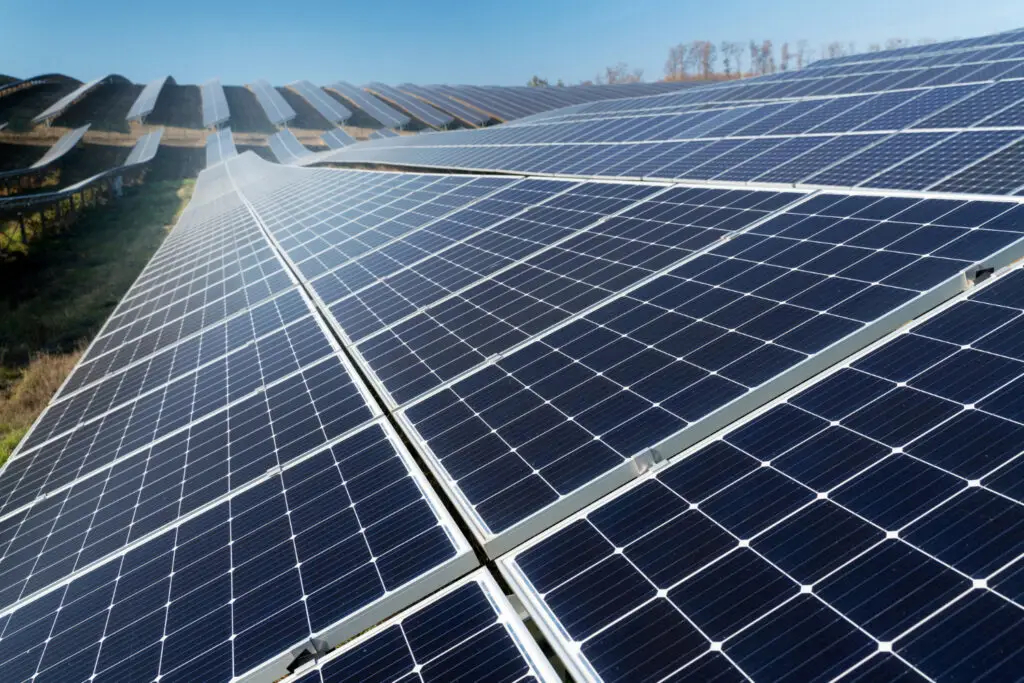
IPP stands for Independent Power Producer. In simple words, it’s a private company that builds a power plant, generates electricity, and then sells that electricity — usually to a utility or a large company. These are independent. These are not government utilities. IPPs focus entirely on producing electricity and selling it, typically under long-term contracts. Hence, they play a crucial role in providing alternative energy sources and diversifying the nation’s energy portfolio.
A solar IPP goes through a series of steps to take a project from an idea to a working power plant. Here’s how it works in simple terms:
2.1. Get the land and permissions
The company finds a good sunny location, leases or buys the land, and gets all the government approvals needed. This can take months or even years.
2.2. Enter a contract to sell the generated power
The IPP signs a long-term contract or deal — called a PPA (Power Purchase Agreement) — with a buyer. This could be the state electricity board, a factory, or even a big tech company. The contract fixes the price per unit of electricity for around 15–25 years.
2.3. Raise the funds
Now the IPP raises funds by borrowing, usually from the banks, based on a long-term contract since the contract displays a guaranteed income stream for the long duration.
2.4. Construct the solar farm
A construction company builds the plant — laying panels, installing inverters, connecting to the grid. The solar farm is now constructed.
2.5. Generate power and get revenue
Once fully functional, the plant can run for decades. The IPP earns money through it every month, repays the bank loan, and this way it makes a profit for its investors.
There are different types of common buyers
3.1. Government / Utility PPAs
⦁ State electricity boards
⦁ Mostly through government auctions
3.2. Corporate PPAs
⦁ Big companies often act as direct buyers
⦁ Companies focusing on sustainable and green energy goals
The Power Purchase Agreement (PPA) is the most important aspect of a solar project. It’s a simple agreement that the IPPs will generate power, and buyers will buy it at the given price, every month, for the next 20 years.
Without PPA, banks won’t trust and lend money to build any project. It makes the whole thing financially viable. This PPA turns solar energy into a bankable business.
⦁ High Interest rates
⦁ Increasing costs of panels and other equipments
⦁ Payment delays by utilities
⦁ Permits and Land Approvals
⦁ Load shedding/ Grid curtailment
Utilities distribute power, but IPPs are the ones who actually make it happen on the ground. As the ongoing demand for sustainable green power continues to grow, these IPPs offer a smart and scalable solution to meet growing energy needs while supporting sustainable environmental goals for individuals, businesses, and the entire Nation.
Getting started is very simple. When you reach out to our team with details about your land or space, your power requirement, and your location. We will conduct a site assessment, and we will handle everything right from the first site visit to the day the plant goes live.
An IPP earns their revenue by selling the electricity they generated to its buyer at the price agreed in the PPA. This revenue is then used to repay the bank loan used to build the project, to cover the IPP’s operating and maintenance costs, and then the remaining profit is retained as return on investment for the equity investors.
A Power Purchase Agreement (PPA) is a long-term contract between the IPP and the buyer of electricity generated by the IPP. It fixes the price per unit of electricity for a definite period of some years. The PPA is the foundation of any IPP project — it gives lenders, i.e. the banks, the assurance to relax and finance the project and gives the IPP a guaranteed, predictable revenue for decades.
Once a solar plant is commissioned, we provide maintenance services in the form of Annual Maintenance Contracts (AMCs).
Comprehensive AMC
This includes regular panel cleaning, performance monitoring, preventive maintenance, software support, and technical support. This AMC helps to ensure your plant runs at its peak efficiency throughout its entire lifetime. This is the most comprehensive, hassle-free option and is mostly recommended for large-scale commercial or utility-scale installations where downtime immediately impacts revenue negatively.
Technical Helpdesk Support
Have any concerns about your installed solar system? Do you need any help with your monitoring dashboard? Our trained and excellent technical support team is available to assist you remotely — helping you through minor problems and sending a technician if needed.