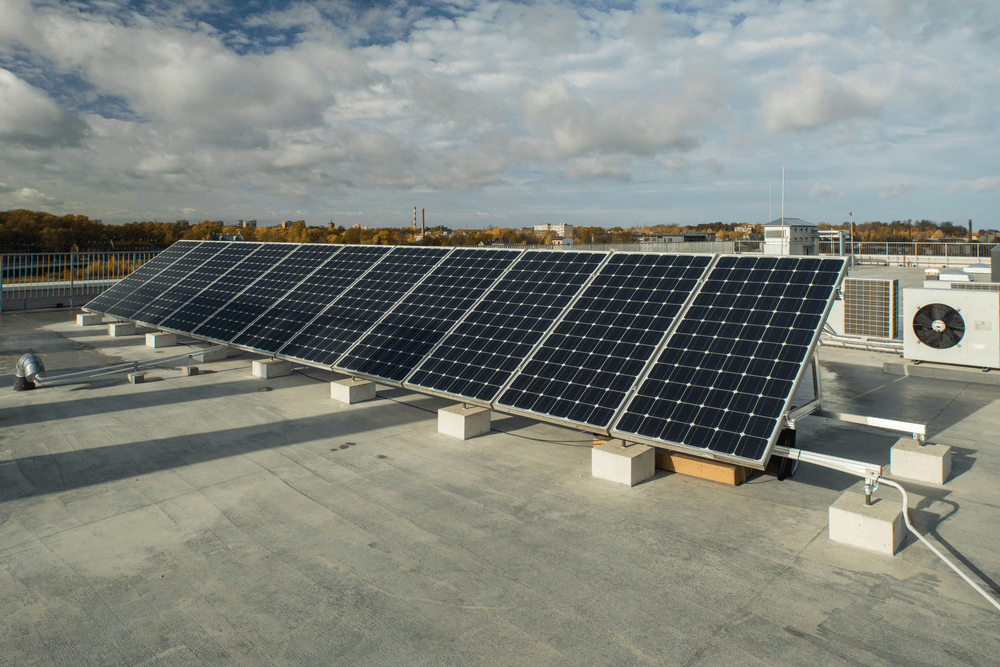
In addition to environmental benefits, solar energy delivers strong financial returns, making it an attractive investment for commercial buildings. Understanding the Return on Investment (ROI) of commercial solar systems is essential for businesses planning to adopt solar energy.
In this blog, we will explain ROI in commercial solar projects.
ROI in solar power installations indicates what profits your solar investment is making over its lifespan.
When solar panels are installed after investing some initial cost in setting them up, you will start earning financial returns. This gain is called the ROI (Return on Investment) of a solar power system.
To explain simply, it reveals how soon you recover your initial investment fully and how much money you save or earn on top of it from your solar installation over the entire course of time.
2. When is ROI generated?
After the initial investment is recovered, the solar systems start generating savings and extra monetary returns. Since the electricity generated is almost free for the remaining 20+ years after the initial recovery period of approximately 4-6 years.
3. Who can get ROI benefits?
If you have Solar power systems installed, you can avail the benefits of ROI from solar energy; the returns vary depending on usage and electricity costs. If your usage and costs are higher, you will receive a higher ROI as well.
Basically, anyone who pays electricity bills can benefit from ROI by solar; also, businesses and industries mostly see the highest and quickest returns.
Commercial Business organizations
Hotels, malls, offices, hospitals, and IT parks
Institutions
Government buildings, colleges, schools and universities,
Industrial sector
Manufacturing plants and factories.
Solar Project Investors
Individuals or solar companies investing in large-scale solar projects or solar farms.
4. Why is ROI generated?
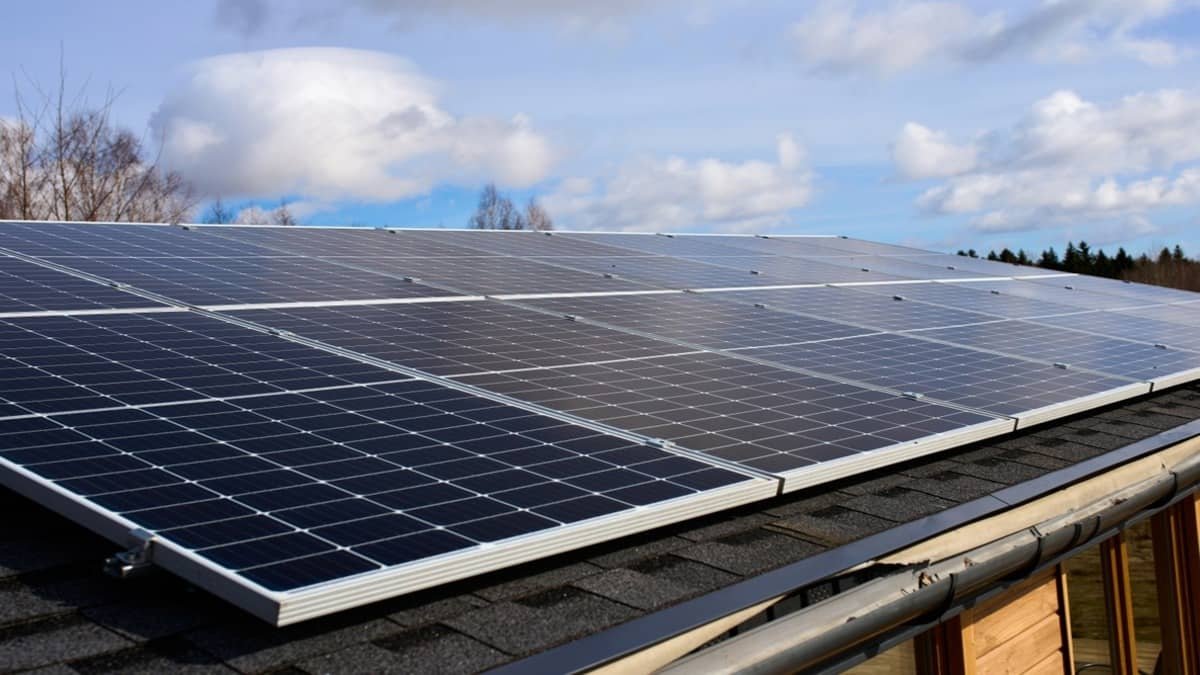
ROI is generated because when you switch to solar installation, the grid electricity expenses are replaced by solar energy.
Reduced costs
Solar panels generate electricity on their own for you, reducing the amount you need to buy from the grid. These savings directly make up ROI.
Long-Term Benefits on Initial Investment
Solar systems continue to generate power for 25+ years after installation with minimal maintenance, creating long-term financial gains.
Increased Electricity rates
After switching to solar, the grid electricity expenses are replaced by Solar energy, which is mostly free after installation. The balance amount saved makes your savings and ROI.
Advantages of Net Metering
When your system produces extra electricity, it gets exported to the grid, adding to your ROI.
Minimal Maintenance expenses
Maintenance expenses are very low compared to the generated savings, as these solar power systems need minimal maintenance.
5. Where is ROI generated?
Wherever solar power lowers expenses and creates savings compared to the conventional electricity grid, ROI is generated. For example: Net Metering, energy savings, and lower operational costs
6. How to get ROI benefits?
You get maximum ROI benefits by reducing electricity bills, using solar power efficiently, and minimizing system costs while maintaining high performance.
Choose the right-sized system
Ensure proper installation
Maintain the system
Enable Net metering
opt for long-term usage
7. Conclusion
The high ROI offered by the commercial solar systems makes them a very strategic and beneficial investment for businesses focusing on lowering their operational expenses and increasing long-term profits. Businesses can benefit as the initial investment window is very short, and it gives regular high financial returns throughout the solar system’s lifespan. .