

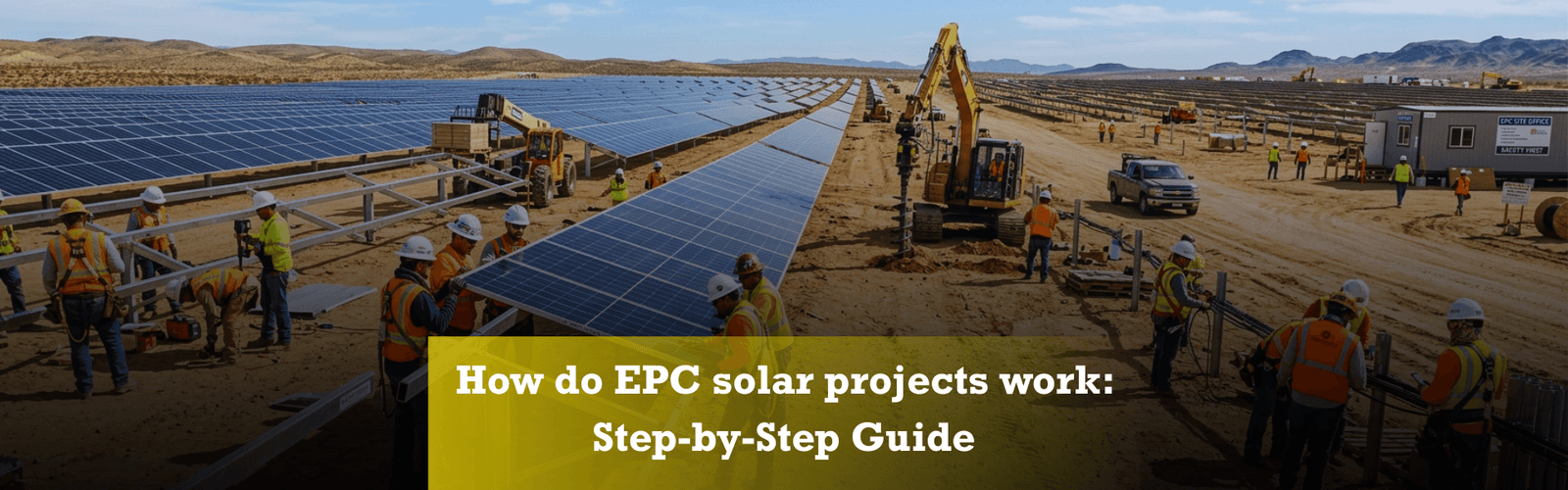
EPC stands for Engineering, Procurement, and Construction. In any solar project, an EPC contractor is responsible for delivering a complete solar-powered system—from initial design to final installation and commissioning process. Basically, the EPC company handles everything, so the client doesn’t have to coordinate with multiple vendors or worry about technical complexities.
2.1. Engineering (Designing)
This is the first step and sets the foundation for the entire project. During this phase, the EPC contractor:
⦁ A site survey is carried out to assess the region, land, and solar potential
⦁ Analyses energy consumption or needs
⦁ Designs the solar system based on capacity and requirements
⦁ Designs the ideal layout and mounting structure
⦁ Ensures that the design complies with safety standards and local regulations
A well-engineered and planned design ensures the highest energy generation and long-term efficiency.
2.2. Procurement (Sourcing all Components)
Once the design is finalized, the next step is sourcing all the necessary components required for the construction. This includes:
⦁ Mounting structures
⦁ Monitoring systems
⦁ Electrical Cables and other electrical equipment’s
⦁ Inverters
EPC contractors usually have a strong network of suppliers, making it easier for them to procure high-quality components at competitive prices. This ensures reliability, quality assurance and cost efficiency.
2.3. Construction (Installation)
This is the phase where actual construction begins, and it involves:
⦁ Site preparation
⦁ Installation of mounting structures
⦁ Installation of the panel
⦁ Electrical wiring and setting up of the inverter
⦁ Setting up the Grid connection (only in some cases, if applicable)
The EPC contractor is responsible for managing the timelines, safety, labor and quality control for the swift and smooth execution of the entire project.
2.4. Quality checks & Commissioning
Before the system is finally handed over, it undergoes complete testing, which involves:
⦁ Performance checks
⦁ Safety checks
⦁ System synchronization with the grid
⦁ Full Monitoring of the system setup
Once everything is thoroughly verified, the plant is finally commissioned and begins power generation.
2.5. Maintenance and Support
After Commissioning, the EPC contractor hands over the system to their clients along with:
⦁ System manuals
⦁ Documentation.
⦁ Warranty details
⦁ Performance reports
To ensure the system continues to perform efficiently over its lifetime, many EPC providers offer Operation & Maintenance (O&M) services along with installation. These are offered in the form of Annual maintenance contracts (AMCs)
The EPC model is widely preferred to simplify the entire solar installation process.
It offers:
⦁ Single Point of Management
One contractor company instead of multiple vendors, making communication easier and reducing any risks.
⦁ Cost reduction
Procurement in bulk and well-optimized design help lower the overall cost of the projects.
⦁ Smoother Execution
With this simpler approach, projects are completed within pre-defined timelines.
⦁ Risk reduction
The contractor takes full responsibility for design, installation, and overall performance, minimising delays and uncertainties for the client.
⦁ High Quality Assurance
Experienced and good EPC contractor companies follow industry standards and best practices.
Selecting the right EPC partner is crucial for the success of your solar project. Here are a few things to consider:
⦁ Check experience and previous track Record
⦁ Look for the quality of the components used
⦁ Assess technical and engineering Expertise
⦁ Timely delivery of services
⦁ After-Installation Support and Maintenance Services
An efficient and smart EPC contractor company not only installs the system but also ensures the system’s optimal performance delivery for the long term by offering after-installation support and maintenance.
As the world continues to switch to green and clean energy, EPC solar projects are more than just an easy option—they represent a smart and sustainable investment in an environment friendly future.
EPC solar projects offer a smooth and convenient approach to adopting solar energy. From the initial stage of planning to the final stage of commissioning, everything is managed by a single experienced and dedicated team, ensuring high reliability, efficiency, quality, and sustainable performance