

1. Introduction
Sustainable infrastructure is becoming one of the most important priorities in modern construction and energy development. As cities expand and energy demand increases, there is a growing need for solutions that are efficient, environmentally responsible, and capable of supporting long-term sustainability goals.
In the renewable energy sector, solar power has emerged as a key contributor to sustainable development. However, behind every efficient rooftop solar system lies an essential component that often receives less attention — the SMS.
SMS (Small Mounting Structure) systems play a major role in supporting solar panels securely while improving the overall performance and durability of rooftop solar installations. These structures help residential, commercial, and Industrial buildings transition toward cleaner and more sustainable energy infrastructure.
2. Understanding SMS in Solar Projects
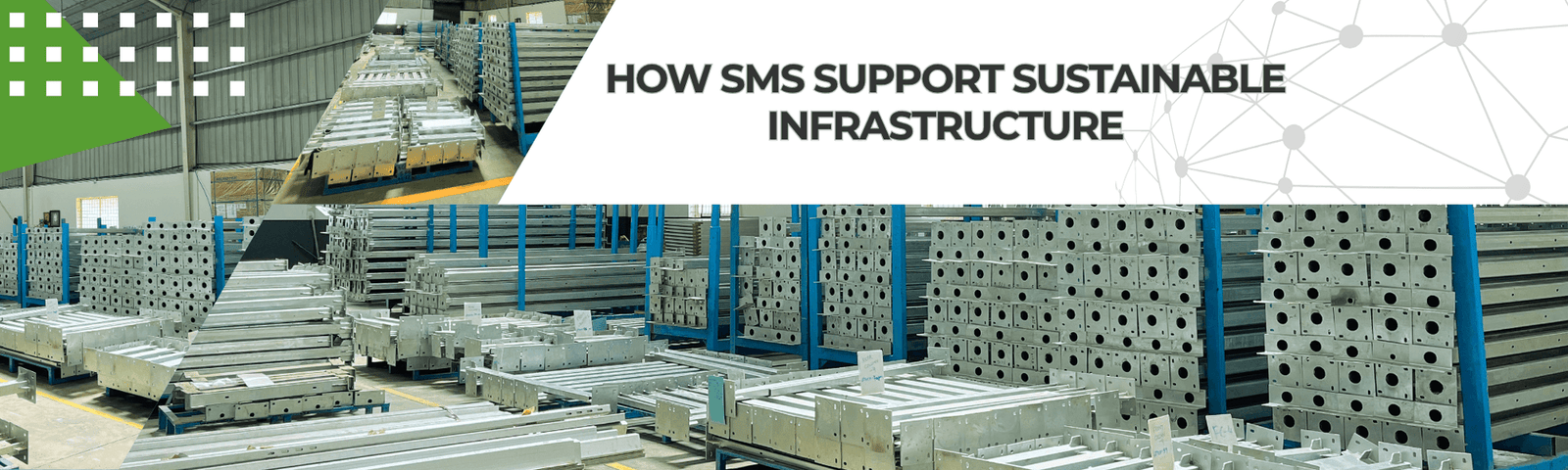
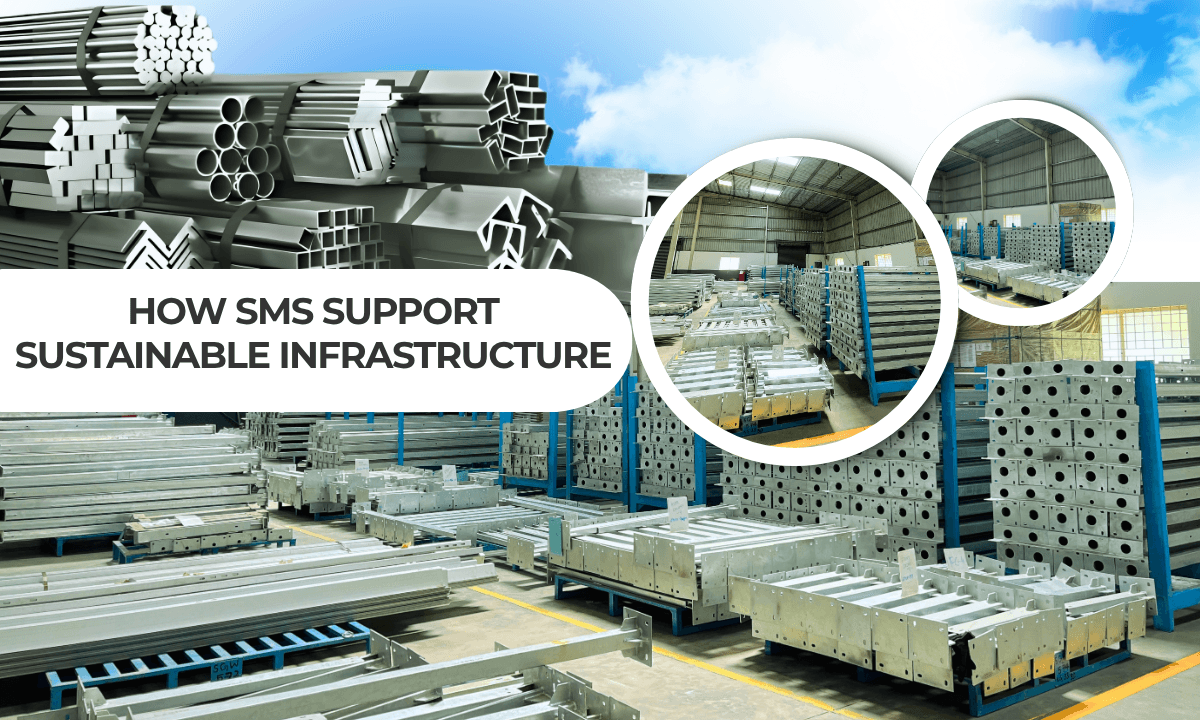
SMS are specially engineered mounting systems designed for rooftop solar panel installations. They provide the support framework required to position solar panels at the correct tilt angle and orientation for maximum sunlight absorption.
These structures are commonly used in:
SMS are generally lightweight, durable, corrosion-resistant, and designed for long-term outdoor use.
3. What is a Sustainable Infrastructure?
Sustainable infrastructure refers to systems and developments designed to minimize environmental impact while supporting long-term economic and social growth.
This includes infrastructure that:
Solar energy systems are now becoming a major part of sustainable infrastructure development across urban and industrial sectors.
4. Role of SMS in Renewable Energy Development
Solar panels cannot function effectively without proper mounting support. SMS provides a physical foundation that allows rooftop solar systems to operate efficiently and safely for many years.
As renewable energy adoption increases in India, rooftop solar systems are becoming more common in homes, businesses, factories, and commercial properties. SMS support this transition by enabling efficient and secure solar installations.
They help optimise rooftop space while contributing to cleaner and more energy-efficient buildings.
5. How SMS Structures Support Sustainable Infrastructure
Efficient Use of Rooftop Space
SMS helps convert unused rooftop areas into productive renewable energy generation spaces. This supports urban sustainability without requiring additional land.
Reduction in Carbon Emissions
By supporting rooftop solar systems, SMS structures contribute indirectly to reducing dependence on fossil fuels and lowering greenhouse gas emissions.
Long-Term Energy Savings
Buildings equipped with rooftop solar systems can reduce electricity costs for decades, improving financial sustainability.
Support for Green Building Development
Modern sustainable buildings increasingly integrate rooftop solar systems as part of their energy infrastructure. SMS structures make this integration possible.
Lower Environmental Impact
Compared to traditional energy systems, rooftop solar installations supported by SMS structures produce clean electricity with minimal environmental impact.
6. Benefits of SMS for Modern Buildings
Improved Structural Stability
High-quality SMS provide strong support for solar panels under different weather conditions.
Faster Installation
SMS systems are designed for efficient and quicker rooftop solar installation processes.
Corrosion Resistance
Most modern solar mounting structures use galvanized steel or corrosion-resistant coatings for longer operational life.
Minimal Maintenance Requirements
Well-designed SMS require limited maintenance while ensuring long-term performance.
Better Energy Generation Efficiency
Proper panel positioning improves sunlight exposure and solar power generation.
7. Importance of Durable Solar Mounting Structures
The durability of a solar mounting structure directly affects the performance and lifespan of the solar system.
Strong and reliable SMS help:
As rooftop solar adoption continues increasing, demand for high-quality solar mounting structures in India is also growing rapidly.
8. SMS and Urban Sustainability
Urban areas face increasing challenges related to electricity demand, pollution, and limited land availability. Rooftop solar systems supported by SMS offer a practical solution for sustainable urban development.
By enabling clean energy generation directly on buildings, SMS systems help:
This makes Solar mounting structure an important component of future-ready sustainable cities.
9. Technological Advancements in SMS
The solar structure industry is continuously evolving with new engineering and manufacturing innovations.
Modern SMS now include:
These advancements improve installation speed, structural durability, and long-term solar project efficiency.
10. Challenges in Solar Structure Development
Despite their advantages, SMS also face certain challenges.
Roof Load Limitations
Some buildings may require structural evaluation before solar installation.
Environmental Exposure
Structures must withstand long-term exposure to heat, rain, humidity, and wind.
Design Customization
Different roof types require customized structure designs and installation methods.
Initial Investment Considerations
High-quality solar structures involve better materials and engineering, which may increase initial costs.
However, long-term energy savings and system durability often outweigh these challenges.
11. Future of SMS in India
The future of SMS in India is highly promising as rooftop solar adoption continues growing rapidly.
Several factors driving this growth include:
As India continues focusing on renewable energy expansion, SMS will remain an important part of the country’s sustainable infrastructure ecosystem.
12. Conclusion
SMS are much more than simple support systems for solar panels. They are essential components that enable the growth of rooftop solar energy and sustainable infrastructure development.
By supporting clean energy generation, improving rooftop space utilization, and contributing to long-term energy efficiency, SMS play a vital role in building environmentally responsible infrastructure.
As the demand for renewable energy solutions continues increasing across residential, commercial, and industrial sectors, SMS structures will continue shaping the future of sustainable urban and energy development in India.
13. FAQ’S
An SMS (Small Mounting Structure) is a framework used to support solar panels in rooftop solar installations.
They help enable rooftop solar energy generation, reduce carbon emissions, and improve energy efficiency in buildings.
SMS structures are widely used in residential, commercial, industrial, and institutional rooftop solar projects.
Durable structures improve solar panel stability, system safety, and long-term operational reliability.
Galvanized steel and corrosion-resistant materials are commonly used for long-lasting performance.
Yes, by supporting rooftop solar systems, SMS contribute to long-term energy savings.
Rooftop solar systems help reduce electricity bills, improve sustainability, and utilize unused rooftop space effectively.
With growing rooftop solar adoption and increasing focus on renewable energy, demand for SMS is expected to rise significantly in the coming years.