

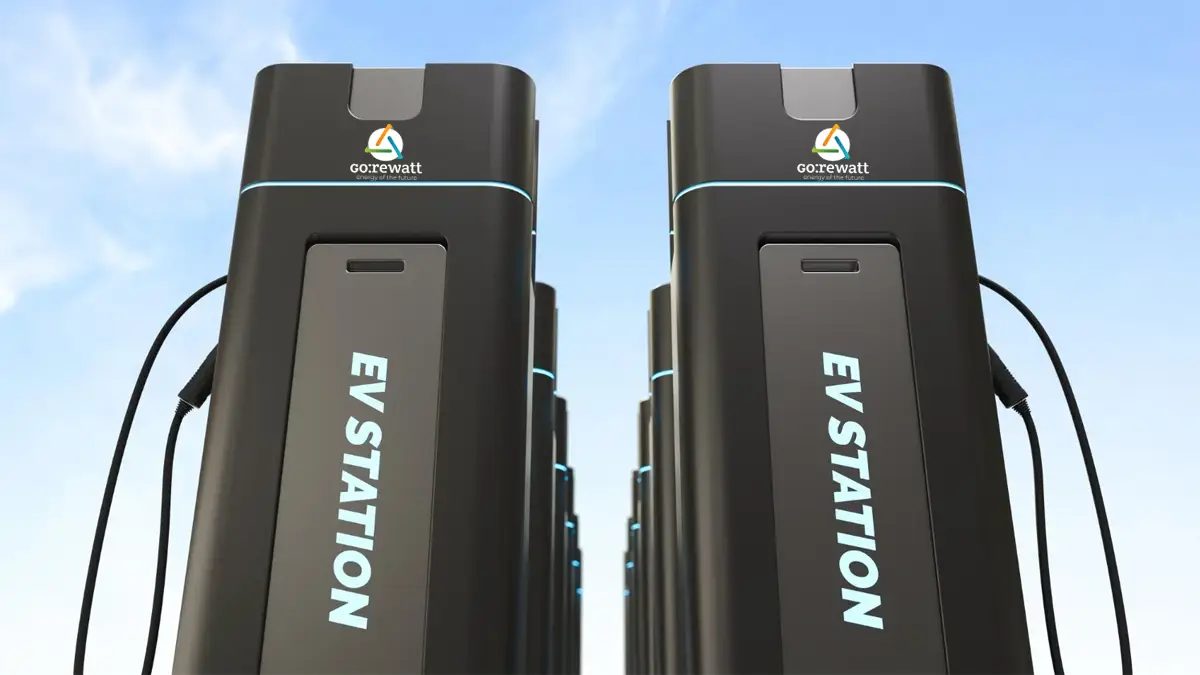
The transition to electric vehicles (EVs) marks one of the most significant shifts in modern transportation. With concerns about climate change, air quality and fossil fuel dependency rising globally, EVs offer a cleaner and more sustainable alternative to traditional internal combustion engine vehicles. This article explores the evolution, types, challenges, and future of EV charging infrastructure—shedding light on why it matters and how it supports the global shift towards electrified transport.
Understanding EV Charging Infrastructure
At its core, EV charging infrastructure refers to the network of charging stations that supply electric energy to rechargeable batteries in electric vehicles. Unlike conventional gas stations, charging points come in varied forms, speeds, and configurations depending on the technology used and the intended purpose.
What is EV Charging infrastructure?
EV Charging has shown a sharp rise in the recent times globally as well as in India.
With the rise in clean and environment friendly energy, more and more EV Charging infrastructures are in demand. If you want to reduce your electricity bills and want an environment friendly option for your energy needs, you get covered with our EV charging infrastructure.
An EV charging station is a fully automated facility and consists of charger, connector, software for billing and user authentication. A combination of AC and DC chargers makes it whole.
The infrastructure can be broadly divided into three levels of charging:
Level 1 (L1) Charging
These are used for residential and household projects which can Work with overnight charging. Full charging time is usually 40-50 hrs. Hence, this is called slow charging.
Advantages of Level 1 Charging
Installation not Required
One of the biggest benefits of Level 1 charging is if you have a standard electrical outlet, you can charge your EV.
This makes it extremely convenient for:
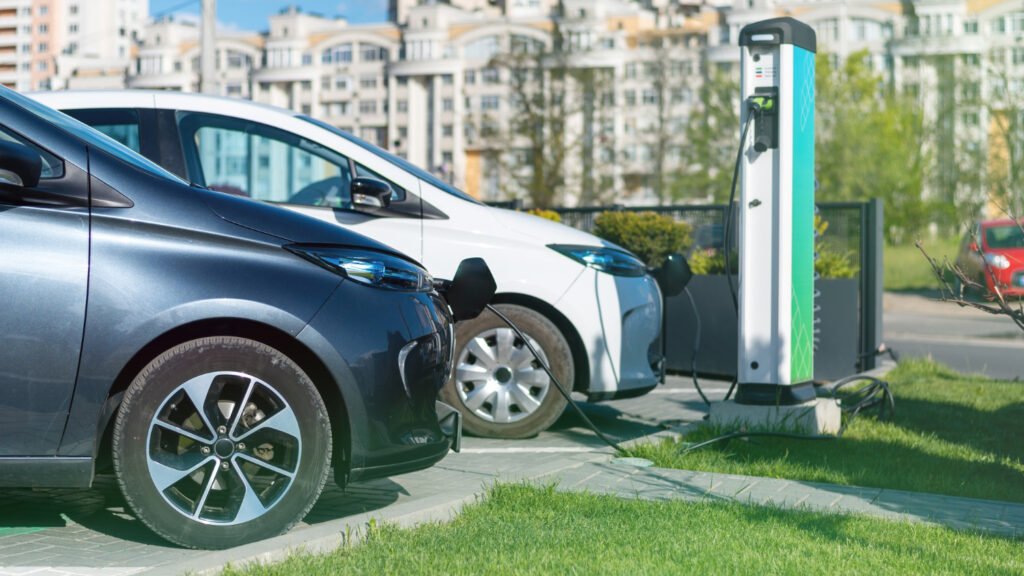
Cheapest Charging Option
Level 1 charging is the most affordable charging method.
Costs include only:
There is no need to purchase or install a charging station, which makes it an economical option.
Overnight Charging
Level 1 charging can be used at home overnight as it can replenish enough energy for daily commuting needs.
Highly Accessible
Level 1 charging uses regular outlets hence it is available everywhere including:
This accessibility makes it a practical fallback option when other charging infrastructure is unavailable.
Level 1 charging works best for consumers who:
For such users, Level 1 charging can meet most of their daily needs without additional infrastructure.
Level 2 (L2) Charging
Advantages of level 2 charging
Level 2 charging is one of the most widely adopted EV charging solutions.
Faster Charging
Level 2 chargers can charge an EV up to 6–10 times faster compared to Level 1 charging, making them more suitable for everyday use.
Cost efficient
Level 2 chargers are less expensive to install and operate compared to DC chargers, making them suitable for homes, businesses and public locations.
Convenient
EV owners can charge their vehicles overnight or during normal parking periods, eliminating the need for frequent visits to fast charging stations.
Level 2 chargers are used commonly in public areas such as:
DC Fast Charging (DCFC)
Advantages of DC Fast Charging
Fastest charging
Ideal for quick stops as DC fast chargers can charge EVs much faster than Level 1 or Level 2 chargers.
Long-Distance Travel
Once charged fully, they enable EV drivers to travel long distances without any frequent charging for a long time.
Reduced downtime
Rapid charging by DCFC reduces downtime hence making it suitable for businesses.
DC fast chargers are being increasingly used by:
Fuel stations
Highway corridors
Metro cities
Commercial fleet depots
Logistics hubs
Parts of an EV charging infrastructure
How do they work?
These EVs work by converting AC power from the grid to DC power.
EVs are powered by electric motors unlike other conventional vehicles that use diesel or gasoline, etc. for their power needs.
These EVs vehicles electrical energy stored in batteries or other energy storage devices as their primary source of power.
BEV: electric vehicle that is solely powered by a battery pack. This onboard battery pack is rechargeable. BEVs do not have an internal combustion engine and do not rely on gasoline or diesel fuel for propulsion.
Hybrid (HEV) and PHEV: These types of electric vehicles use a combination of on-board rechargeable battery back and ICE as their source of power. Regular hybrid EVs do not need to be plugged in, on the other hand, the PHEVs can be plugged into charging stations to recharge their battery.
Technologies Behind EV Charging
The performance and efficiency of charging stations depend on several technological factors:
Smart Charging Systems
Smart charging uses software to optimize charging based on grid demand, energy prices, and user preferences.
Benefits include:
Wireless & Inductive Charging
Though still emerging, wireless charging allows EVs to charge without physical plugs—essentially just by parking over a charging pad. This could be especially useful in public parking facilities and for autonomous vehicles.
Importance/Benefits of EV Charging infrastructure
Future Trends in EV Charging Infrastructure
The future of charging infrastructure looks promising, with exciting innovations on the horizon:
Faster and More Efficient Chargers
Next-generation ultra-fast chargers promise to reduce charging times further, potentially matching the convenience of fueling a gas vehicle.
Renewable Integration
Charging stations powered directly by solar and wind farms could make EV charging greener and more cost-effective.
Autonomous Charging Solutions
With the advancement of self-driving vehicles, infrastructure may evolve to include automated charging systems that require no driver involvement.
Urban Planning Integration
Cities are starting to design streets and parking lots with embedded charging solutions, including curbsides and multi-use public spaces.
Conclusion
As the demand for cleaner and environment friendly energy alternatives rises, EVs are becoming the rage and the next big thing. EV charging infrastructure is the foundation of electric mobility. An efficient and accessible charging network not only encourages EV adoption but also supports environmental sustainability, economic growth and energy independence. Innovative technologies and supportive policies are driving rapid progress which can solve challenges such as cost, grid capacity and unequal access. The future of transportation looks cleaner, smarter and electrified. The way ahead might demand proper planning and investment, but with every charging station that is getting installed we are moving ahead closer to a sustainable and electrified smart world.