

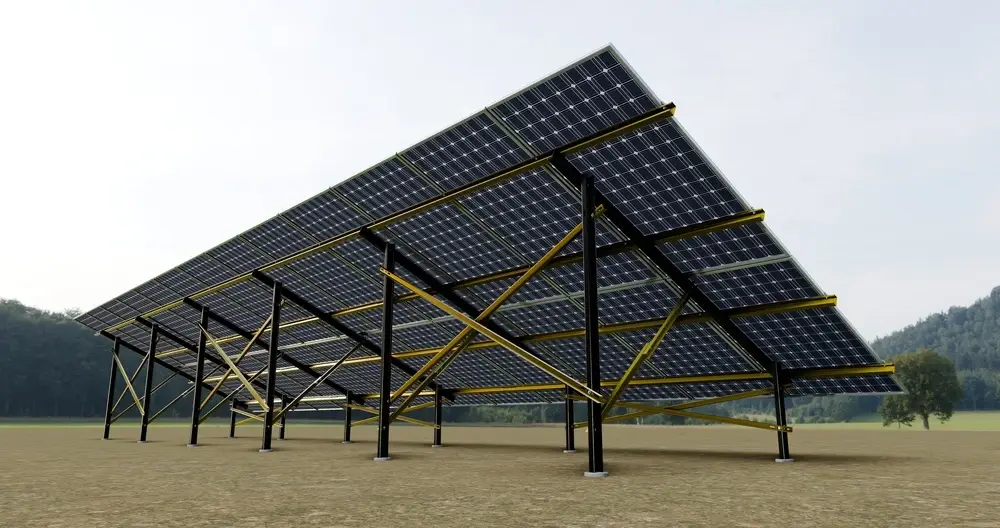
Solar panels are supported by mounting structures when installed. A solar mounting structure holds them in place while ensuring the correct tilt and orientation for maximum sunlight exposure. Choosing the right mounting structure is very important because it affects the system’s performance, lifespan, energy output, and resistance to environmental factors such as wind, rain, and heat and contributes to its overall performance.
In this blog, we will discuss the key factors to consider when selecting the right solar mounting structure for your project in India.
The choice of the right solar mounting structure depends on a lot of factors, such as the amount of energy needed, available space, budget, and several other points that need to be considered along with these.
The first step in choosing a solar mounting structure is identifying the type of solar installation. There are various types of Solar structures.
1.1. Rooftop Solar Systems
Rooftop solar structures are most commonly used in residential, commercial, and industrial buildings. These systems are installed on building roofs using specialized mounting structures designed for different roof types.
Common rooftop structures include:
Flat roof-mounted structures
Tilted roof-mounted structures
Pole-mounted and tracking structures
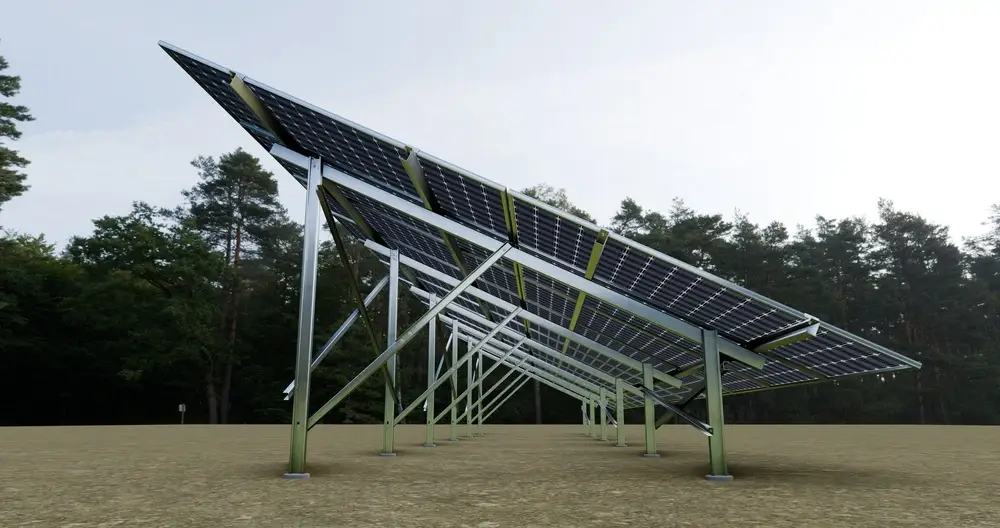
1.2. Ground-Mounted Solar Systems
Ground-mounted systems are used for large-scale solar projects such as solar parks, farms, and industrial projects. These structures are installed directly on the ground using strong foundations; hence they are called ground-mounted structures.
Ground-mounted structures mostly use:
Fixed tilt structures
Seasonal tilt structures
Solar tracking systems
Determine the most suitable mounting structure for your place as per your specific needs and choose which mounting structure you want to invest in accordingly.
The material used in solar mounting structures plays a major role in durability, strength, and corrosion resistance.
2.1. Galvanized Iron (GI)
Galvanized iron is one of the most used materials for making solar mounting structures in India. It is strong, durable, and resistant to rust because it is coated with zinc, which makes it durable.
Galvanized Iron in solar mounting structures has many benefits, such as :
Long lifespan
Cost-effective solution
High structural strength
2.2. Aluminium
Aluminium mounting structures are lightweight and corrosion resistant. They are often used in rooftop solar installations.
Aluminium in solar mounting structures has many benefits, such as :
Easy installation
Low maintenance
Excellent corrosion resistance
2.3. Stainless Steel
Stainless steel components are sometimes used for fasteners and connectors because of their high durability and corrosion resistance.
Selecting the right material ensures the solar system’s long-term reliability.
Solar mounting structures must be strong enough to support the weight of solar panels and withstand environmental forces such as rain, dust storms, and wind.
Important factors to consider include:
Wind load capacity
Roof load-bearing capacity
Weight of solar panels
Rain or snow load (in case of some regions)
Extreme weather conditions and strong winds can affect solar structures negatively. Therefore, mounting structures must be designed according to local weather conditions and standards in the given region.
The tilt angle of solar panels significantly affects energy generation. Proper tilt and correct tilt angle allow panels to capture maximum sunlight throughout the year.
A good mounting structure should:
Allow proper tilt adjustment
Ensure proper panel orientation toward the sun
Maximize energy generation
Incorrect tilt angles can reduce the efficiency of the solar system.
It is recommended to choose mounting structures that meet industry standards and quality certifications.
Reliable and good manufacturers design structures in accordance with:
Structural engineering industry standards
safety regulations and wind load
Quality assurance testing
Certified products ensure better safety and long-term reliability.
Solar mounting structures need maintenance over the system’s lifetime, which is typically 25 years or more. Choose a supplier that provides Annual Maintenance Contracts and technical customer support. Low-maintenance structures help reduce operational costs and enhance system reliability. Most of the time, regular inspection and occasional tightening of bolts are usually sufficient for maintaining mounting systems.
Selecting a trusted supplier is just as important as choosing the right mounting structure.
A good, reliable manufacturer will offer:
Performance and safety standards
Proven experience in solar projects
High-quality materials
Warranty and technical assistance
Structural design support
Conclusion
Solar mounting structures are the foundation of any solar power system. They support solar panels, ensure the right alignment with sunlight, and protect the system from environmental factors. Choosing the right mounting structure is therefore essential for maximizing energy generation and ensuring the long-term durability of solar installation.
When selecting a solar mounting structure, it is important to consider factors such as installation type, material quality, corrosion resistance, tilt angle, structural strength, and ease of installation. After carefully evaluating these factors and partnering with a reliable supplier, businesses, homeowners, and other project developers can ensure that their solar installations perform smoothly and efficiently for decades.