

1. Introduction
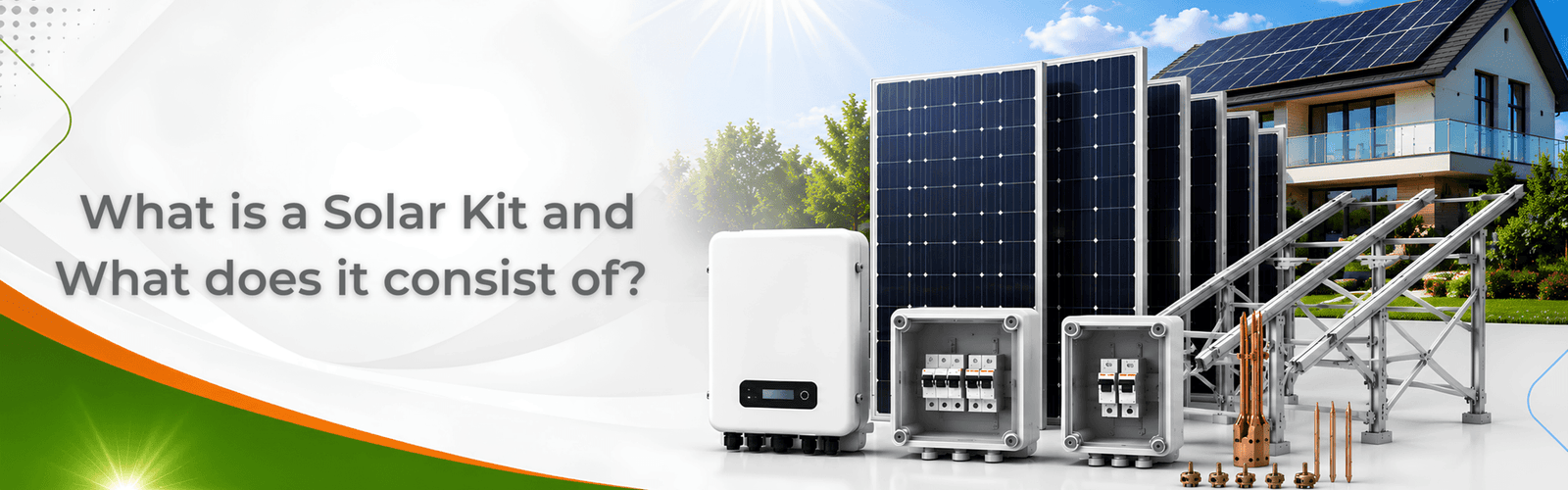
Installing a solar power system is easier when you choose a complete solar kit. Instead of buying every component separately, you get everything you need in one package. This saves time, simplifies installation, and ensures all the components work together efficiently.
Whether you want solar power for your home, business, or commercial project, understanding the parts of a solar kit helps you make the right decision.
2. What is a Solar Kit?
A solar kit is a complete package that contains all the essential components required to generate solar electricity. Every part plays an important role in producing, protecting, and delivering clean energy.
A complete kit simplifies installation and helps improve system performance. It also reduces the hassle of sourcing individual products from different suppliers.
3. Benefits Of A Solar Kit
A complete solar kit offers several advantages.
All components are compatible.
4. Components of a Solar Kit
4.1. Solar Inverter
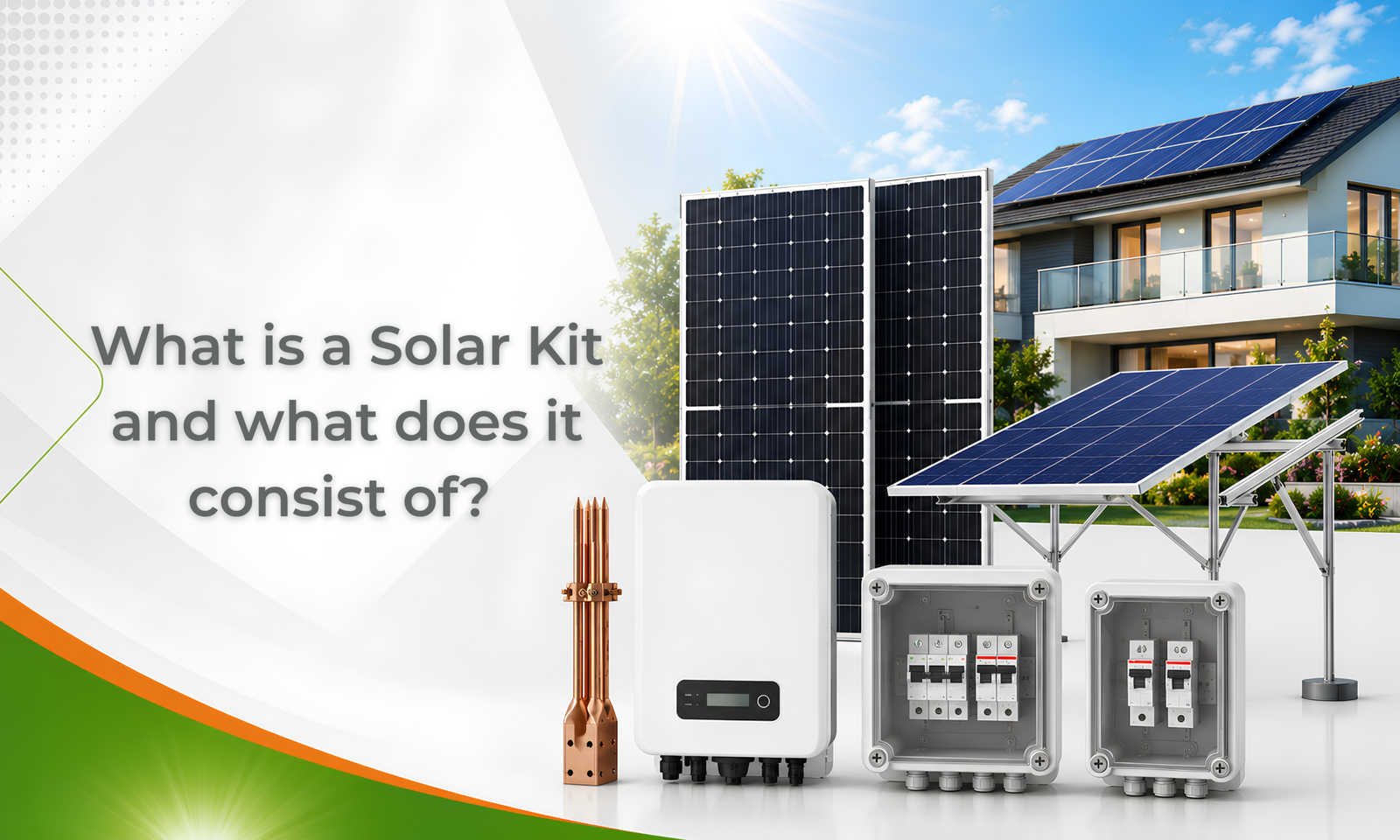
The solar inverter is the heart of the system. It converts DC electricity produced by the panels into AC electricity used by homes and businesses.
Modern inverters increase energy efficiency by monitoring system performance.
4.2. Solar Modules/Panels
Solar modules capture sunlight and convert it into electricity. They are the primary source of power generation in the system.
High-quality panels deliver better performance, higher efficiency, and long service life.
4.3. ACDB (AC Distribution Box)
The ACDB protects the AC side of the solar system. It safeguards electrical equipment from overloads, short circuits, and voltage fluctuations.
It also improves the safety of the entire installation.
4.4. DCDB (DC Distribution Box)
The DCDB protects the DC side of the solar system before electricity reaches the inverter.
It includes protective devices that help prevent electrical faults and improve system reliability.
4.5. Solar Structure
A strong Solar structure securely supports the solar panels and keeps them firmly in place. It is designed to withstand changing weather conditions while maintaining the correct panel angle for better energy generation.
Choosing a durable Solar structure helps improve system stability and long-term performance.
4.6. Earthing Kit
The earthing kit provides an important layer of electrical safety. It safely directs fault current into the ground and protects both equipment and people.
Proper earthing also helps reduce the risk of electrical damage during lightning or power surges.
5. Why choose a complete solar kit?
A complete solar kit offers convenience and efficiency. From high-efficiency panels to a dependable inverter, protective distribution boxes, a durable Solar structure, and a quality earthing kit, every part contributes to a safe and efficient solar system.
Investing in a complete kit also simplifies future maintenance and ensures consistent energy production for years.
6. Conclusion
A solar kit is the foundation of an efficient solar power system. It includes the inverter, solar modules, ACDB, DCDB, Solar structure, and earthing kit. Together, these components generate clean electricity safely and efficiently.
When you choose a high-quality solar kit with a reliable Solar structure, you invest in better performance, improved safety, and long-lasting value.
7. FAQ’S
A solar kit typically includes a solar inverter, solar modules or panels, ACDB, DCDB, solar structure, earthing kit, and other installation accessories depending on the project requirements.
A solar inverter converts DC electricity generated by the panels into AC electricity that powers electrical appliances.
The ACDB protects the AC side of the system, while the DCDB protects the DC side. Both improve electrical safety and system reliability.
A solar structure securely supports the panels, maintains the correct tilt angle, and protects the system against environmental conditions.
An earthing kit safely directs fault current into the ground. It protects people, equipment, and the solar system from electrical hazards.
Yes. A complete solar kit ensures compatibility between components, simplifies installation, improves efficiency, and saves time.